

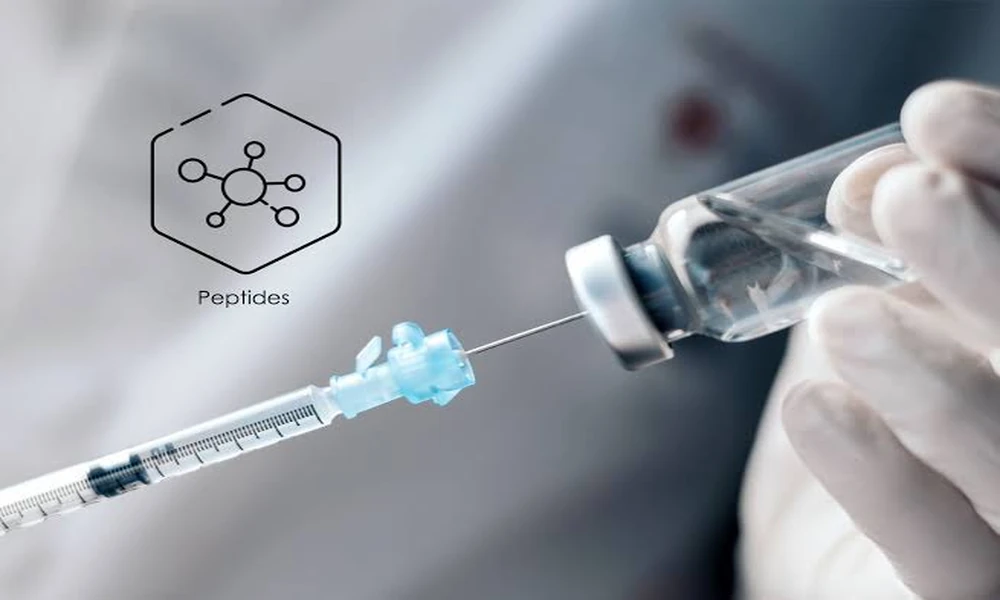

Molecular characteristics decide how each sequence within a peptide blend behaves once introduced into a study environment. Weight, structure, charge, and solubility each contribute a measurable influence on movement, binding, and distribution across the observation period. Plastic Surgery Key klow peptide blend documentation records these characteristics at the sequence level, giving researchers reference data for predicting component behaviour before a study begins. Four characteristic groups carry the most direct connection to recorded activity, and each operates through a distinct mechanism within biological environments.
Which characteristics drive activity?
- Molecular weight
Weight determines movement speed through tissue barriers and clearance rate from circulation. Lighter sequences cross barriers readily but filter out fast, closing their active window early in the observation period. Heavier sequences move more slowly yet sustain detectable levels considerably longer. Study designs match sampling schedules to this spread, since each component in a multi-sequence blend runs its own clearance curve inside the same observation window. A light sequence might need sampling within the first hours, while heavier neighbours remain measurable into the following day.
- Amino acid arrangement
Receptor sites recognise exact structural configurations. Binding affinity comes down to the precise ordering of amino acids in the chain; two sequences with identical content but different arrangements bind entirely differently at the same receptor site. Terminal groups at either end of the peptide add orientation and stability effects at the point of receptor contact, shaping how long the interaction holds.
- Secondary structure
Certain sequences fold into helical or sheet shapes once dissolved in solution. That three-dimensional form decides whether the binding surface aligns with the receptor at all. Incorrect folding presents the wrong surface, and binding drops sharply regardless of how well the underlying amino acid order matches the target site. Folding behaviour also responds to solution conditions, which is why reconstitution procedures affect downstream activity measurements.
- Charge and solubility
Net charge shifts with surrounding pH and determines how each sequence interacts with cell membranes. Positively charged sequences at physiological pH cross membranes differently than neutral or negative ones, which affects whether intracellular targets remain reachable. Solubility acts earlier, at reconstitution; hydrophobic-heavy sequences resist dissolving in aqueous solvents and may need adjusted procedures before the solution becomes usable at accurate concentrations.
How do characteristics combine in blends?
Single-peptide studies deal with one characteristic profile at a time. Multi-sequence blends carry several profiles simultaneously, and the blend’s overall behaviour reflects their combination rather than any single component’s properties. A blend may contain one fast-clearing light sequence, one slow-moving heavy sequence, and components with opposing charge profiles, all active within the same observation window at different concentration levels.
Researchers handle this by recording characteristics at the batch level and attributing observed responses against each component’s known profile. Distribution differences between sequences must be separated from genuine activity differences before study conclusions hold. Batch documentation makes this separation possible – without sequence-level characteristic records, observed variation could reflect distribution artefacts rather than actual receptor activity. Characteristic data, therefore, functions as the interpretive baseline for every activity measurement the study produces across all phases.
Weight, arrangement, folding, charge, and solubility together link the klow peptide blend composition to the activity that researchers measure in controlled conditions.

