

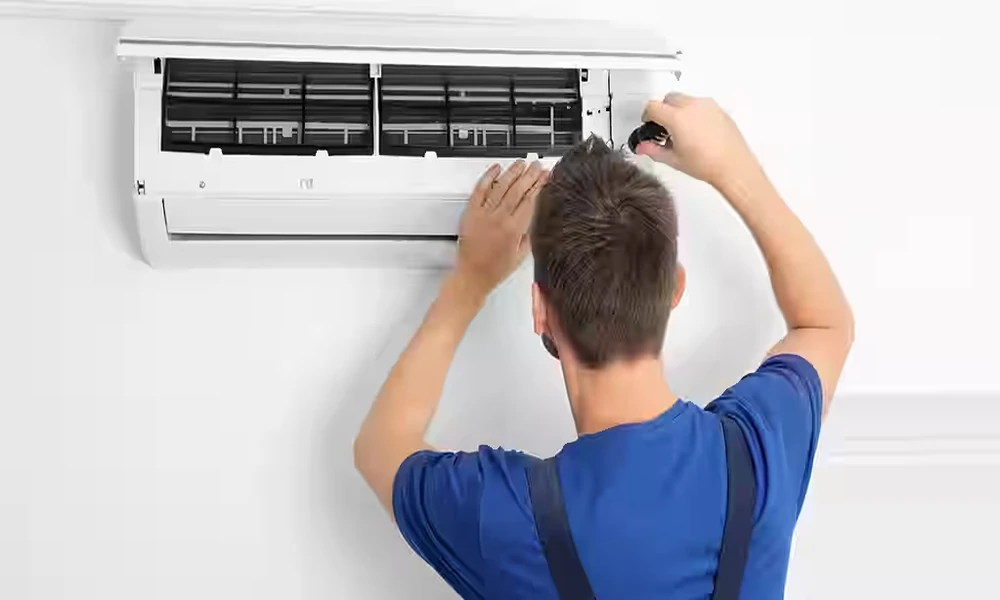

An air conditioner that needs an occasional repair isn’t necessarily a reason to replace it. But when the same system starts breaking down more often, the costs can quickly add up. You may find yourself paying for one repair after another while the unit still struggles to keep your home comfortable. At some point, continuing to repair an ageing AC may no longer make financial sense.
If your system is showing these signs, it may be worth considering upgrading an older AC system instead of putting more money into repairs. A newer system can offer more reliable cooling, better energy performance, and fewer problems caused by worn-out components. Knowing when repairs have reached their limit can help you make a more practical decision.
When Frequent Repairs Become a Warning Sign
One repair by itself doesn’t mean your AC has reached the end of its life. The bigger concern is a pattern of repeated problems. If you’re calling for service several times during the same cooling season, the system may be dealing with general wear rather than one isolated fault. Older components can begin failing one after another, making it harder to keep repair costs under control.
- Repair costs are becoming harder to justify: When individual repairs start becoming expensive, it’s worth looking at the bigger picture. A single repair might seem manageable, but several service calls, replacement parts, and labour costs can add up over time. If you’re repeatedly spending money on a system that continues to have problems, putting those costs towards a replacement may provide better long-term value.
- The same problems keep coming back: Recurring issues can be a sign that the AC is struggling because of its age or overall condition. For example, a system that repeatedly develops airflow, cooling, or electrical problems may continue to need attention even after individual components have been repaired. Frequent breakdowns can also become inconvenient, especially when they happen during periods of high demand.
3 Signs Your AC Is Getting Too Old
Age isn’t the only factor to consider, but it can give you useful context when combined with other problems. An older air conditioner may gradually lose efficiency and reliability as its components wear down. You may notice changes in everyday performance before the system stops working completely.
- Your energy bills keep rising: An ageing AC may need to run for longer periods to provide the same level of cooling. As efficiency drops, you could notice higher electricity use even though your cooling habits haven’t changed much. Rising energy costs don’t automatically mean the AC needs replacing, but they can be one sign that the system isn’t performing as efficiently as it once did.
- Your home doesn’t cool evenly: Rooms that stay warm while others become too cold can indicate that the system is struggling to distribute air properly. There may be several possible causes, including airflow restrictions or duct problems, but an older unit that has also developed other issues may simply be reaching the point where replacement deserves consideration.
- The AC struggles during hot weather: An older system may appear to work reasonably well during mild weather but struggle when outdoor temperatures rise. Long running times, weak cooling, and difficulty reaching the thermostat setting can all suggest that the system is no longer keeping up with the home’s cooling demands.
Repair or Replace? What Should You Consider?
The decision doesn’t always have to be based on age alone. A professional can look at the condition of the equipment, the type of problem involved, expected repair costs, and how reliably the system has been operating. A relatively minor repair on a well-maintained AC may still be worthwhile, while repeated expensive repairs on an ageing system can point towards replacement.
Consider these factors before making the decision:
- The condition of the whole system: If one component has failed but the rest of the AC is in good condition, repairing it may be sensible. If several major components are showing signs of wear, another repair may only provide a temporary solution.
- The frequency of breakdowns: Occasional repairs are very different from repeated service calls. A pattern of breakdowns can indicate that more problems may develop as the system continues to age.
- Long-term running costs: A cheaper repair today doesn’t always mean the lowest overall cost. If an older system continues using more energy and needing repairs, replacing it could make more sense over the longer term.
What a New AC System Can Improve
Replacing an older air conditioner isn’t simply about avoiding another breakdown. A newer system can change how your home feels and how consistently the equipment operates. The exact improvements will depend on the system you choose and the condition of your home, but several benefits may become noticeable.
- More consistent cooling: A properly sized and installed replacement system can provide more dependable temperature control. Instead of constantly adjusting the thermostat or dealing with rooms that feel noticeably different, you may get more consistent cooling throughout the home.
- Better energy performance: Newer equipment can be designed to operate more efficiently than older systems. Improved efficiency can help reduce unnecessary energy use, particularly when the existing AC has become less effective and needs to run for longer periods.
- Greater day-to-day reliability: A new system removes many of the worn components that can contribute to repeated failures in an older unit. While no AC is completely free from maintenance or repairs, starting with new equipment can reduce the likelihood of dealing with the same age-related problems.
Don’t Wait for a Complete Breakdown
Many homeowners wait until their AC stops working completely before thinking about replacement. That can leave you making a rushed decision when you need cooling the most. If your system has already been giving you warning signs, it can be more practical to assess your options while it is still operating.
Planning ahead also gives you time to compare suitable systems, consider installation requirements, and understand the expected costs. You don’t have to replace an AC simply because it’s getting older, but repeated repairs, declining performance, rising energy use, and frequent breakdowns are all reasons to take a closer look at whether continuing to repair it is worthwhile.
The Bottom LineAn air conditioner doesn’t necessarily need to be replaced just because it has been running for several years. However, when repairs become frequent, cooling performance starts to decline, energy use rises, and the same problems keep returning, continuing to invest in an ageing system may become difficult to justify.
Looking at the system’s overall condition rather than one individual repair can help you make a better decision. If the AC is becoming unreliable and expensive to maintain, an upgrade may provide more dependable cooling and better long-term value than repeatedly paying for repairs.

