

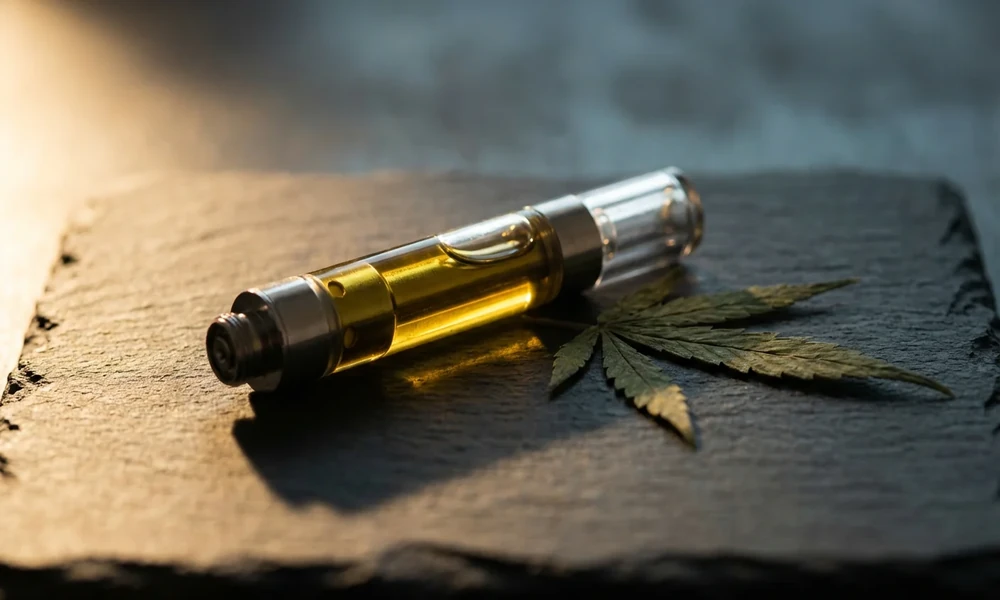

A hybrid flower comes from crossing two parent lines carrying different characteristics. Growers select which parent contributes more, and that choice shapes everything from bud shape to terpene mix.
What makes a hybrid?
Hybrids form when growers cross two lines rather than keeping either one pure. Offspring carry traits from both sides, though rarely in equal measure. Blends described as best thca pre rolls by OutSFL and similar hybrid batches lean one way or another, depending on which parent dominates. Growers describe lean as a percentage split, though those figures come from breeding records rather than laboratory measurements. Actual character shifts with growing conditions, harvest timing, and curing method, so two batches from identical seed rarely match exactly.
Terpenes carry much of what people notice. Aromatic compounds forming in resin heads during flowering differ between lines, and hybrids inherit a mix. Some batches smell citrus-forward, others earthy or piney, and those differences trace back to which parent contributed more.
Harvest timing shifts character further. Cutting earlier or later changes the terpene mix considerably, even within one plot.
How is aroma protected?
Terpenes evaporate easily, vanishing under warmth long before cannabinoids show any damage. Handling after harvest decides how much survives into a finished cone.
- Slow drying across ten to fourteen days holds terpenes in place while moisture leaves gradually. Rushed warm air strips them within days.
- Curing runs several weeks inside sealed containers, letting remaining moisture spread evenly through each bud. Aromas sharpen noticeably across that period.
- Gentle handling during trimming keeps resin heads whole. Rough shaking knocks them loose, leaving aroma stuck to the container walls instead of the flower.
- Cool dark storage slows losses afterwards. Warm rooms and clear containers strip character across weeks regardless of how well earlier stages went.
Rushed curing leaves flat, grassy smells where distinct character should sit, and nothing recovers afterwards.
Blending across batches
Makers sometimes blend material from several harvests of one hybrid line. Reasons follow practical needs.
- Evening out the variation between plots grown under different conditions.
- Stretching a limited harvest across a longer production run.
- Holding aroma closer to a familiar profile across seasons.
- Using smaller buds alongside larger ones without wasting material.
Blending needs care because mismatched moisture levels cause uneven burning. Batches get matched on moisture and grind size before combining, and the records list which harvests went into each blend.
Reading a hybrid batch
Aroma gives the clearest early signal. Opening a fresh pouch releases whatever terpenes survived drying and storage, and faint smells suggest losses somewhere along the way.
Bud structure adds more. Hybrids leaning toward one parent often show that parent’s shape, whether dense and compact or loose and stretched. Grinding reveals resin coverage, visible as sticky material clinging to blades.
Batch records tell the rest, listing harvest date, parent lines, and curing length. Recent harvests carry more aroma than those stored across months, so dates carry real weight when comparing.
Character in any hybrid comes from breeding choices, growing conditions, and handling after harvest, working together. Growers set the starting point, though careless drying or warm storage undoes that work quickly. Batches holding their aroma months later reflect attention paid at every stage rather than genetics alone.

