

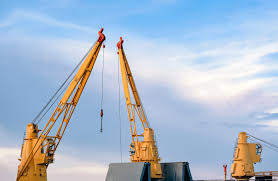

Renting a crane is often essential for large-scale construction, infrastructure upgrades, or industrial setups. It’s a critical choice that can directly affect the pace, safety, and cost of any project. However, a poor decision during this process can lead to delays, budget overruns, and compliance issues. Whether the task is big or small, avoiding common errors can keep things running smoothly.
Many contractors or project managers opt for a crane rental service in California thinking it’s a straightforward process. But there’s more to it than just picking the nearest or cheapest provider. Failing to understand the fine print can lead to serious setbacks. Here are the most common mistakes to avoid when choosing a crane rental service.
Failing to Assess Project Requirements Properly
Every construction project in California has different lifting needs. A crane that suits one job site may be a total mismatch for another. One common mistake is underestimating the weight or reach capacity needed. This can lead to wasted time when the crane arrives on-site and can’t perform the required tasks. It’s important to calculate lift capacity, height, and radius requirements before making any decision. Improper assessments usually mean re-renting or rescheduling, both of which are expensive.
Overlooking Site Conditions and Access
Not all cranes can operate in every terrain. Some require stable and even ground, while others can manage tighter spaces. Ignoring the physical characteristics of the job site may result in bringing the wrong type of crane. Before renting, it’s smart to evaluate ground conditions, surrounding obstacles, overhead power lines, and access routes. Failing to consider these can delay operations or, worse, cause safety hazards.
Neglecting Permit and Regulatory Requirements
California has strict safety regulations and environmental rules. Many areas require specific permits for crane operation, particularly when operating on public roads or in high-traffic zones. Renting a crane without verifying that all permits are in place can lead to fines, legal issues, or delays. Partnering with a rental provider that understands local compliance requirements helps keep the project on track.
Skipping the Equipment Inspection
Assuming a rented crane is in perfect working order is a major gamble. Every machine must be thoroughly inspected before use. Look for documentation of maintenance history and recent service records. Ask for a visual inspection upon delivery. This step ensures that the crane is safe and capable of performing as expected. It also helps avoid disputes over damage or wear after use.
Underestimating Rental Period
Estimating rental periods too tightly can cause a domino effect of problems. If delays happen, extending the rental might not be possible if the crane is booked for another job. This can force crews to halt work or switch to a less suitable machine. Always plan with a buffer period in mind, especially on longer or weather-sensitive projects.
Failing to Secure Proper Insurance Coverage
Accidents, though rare, might happen. If a crane causes damage or injury and the insurance isn’t adequate, the project owner could be held liable. Some rental companies in California offer insurance, but it’s important to check the fine print. Always confirm who is responsible for damages during operation and make sure coverage matches the risk level of the job.
Not Reviewing the Contract Carefully
Contracts contain critical details that many overlook. Cancellation fees, fuel charges, transport costs, and damage liabilities are often buried in the fine print. Missing these terms can result in surprise costs. Before signing anything, go over the agreement with attention to detail. Clarify any vague or unfamiliar clauses to prevent future misunderstandings.
Crane rentals are more than a transactional step in project management. They involve coordination, compliance, and a clear understanding of the job requirements. Avoiding these common mistakes can make a significant difference in project success, safety, and cost control. When selecting a crane rental service in California, it pays to focus on quality, preparation, and clear communication. A well-informed choice today saves time, money, and stress tomorrow.

